
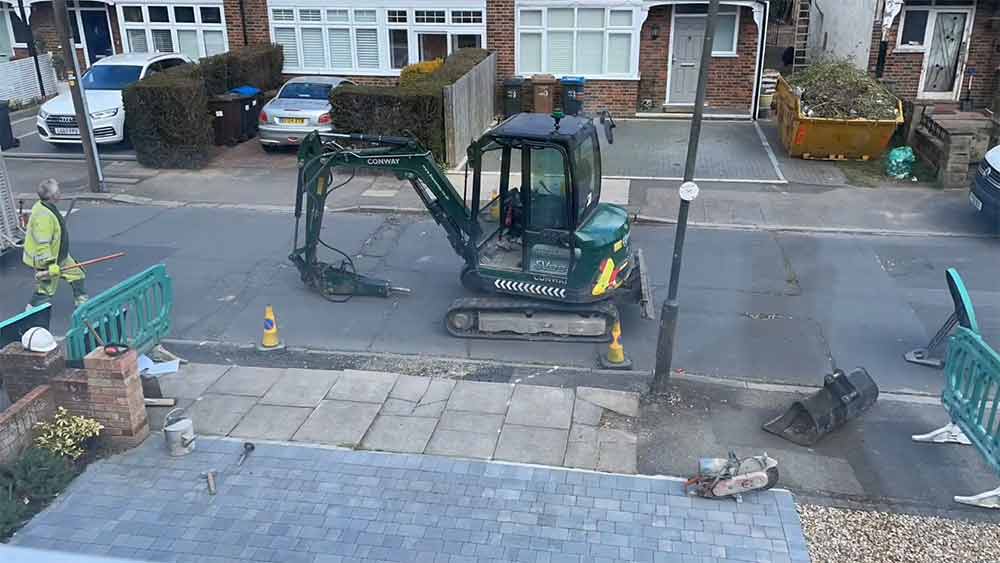
Are you considering installing a dropped kerb near a lamp post? It’s essential to understand the guidelines and best practices set by your local council to ensure a smooth process. At Leeds Dropped Kerb, we’ve compiled the necessary information to help you navigate through the complexities of driveway access and vehicle crossover. Whether you’re looking to lower your kerb or gain council approval, this article will provide you with the key insights you need.
When it comes to installing a dropped kerb near a lamp post, there are important factors to consider. Council approval plays a crucial role, as each Local Authority may have specific requirements.
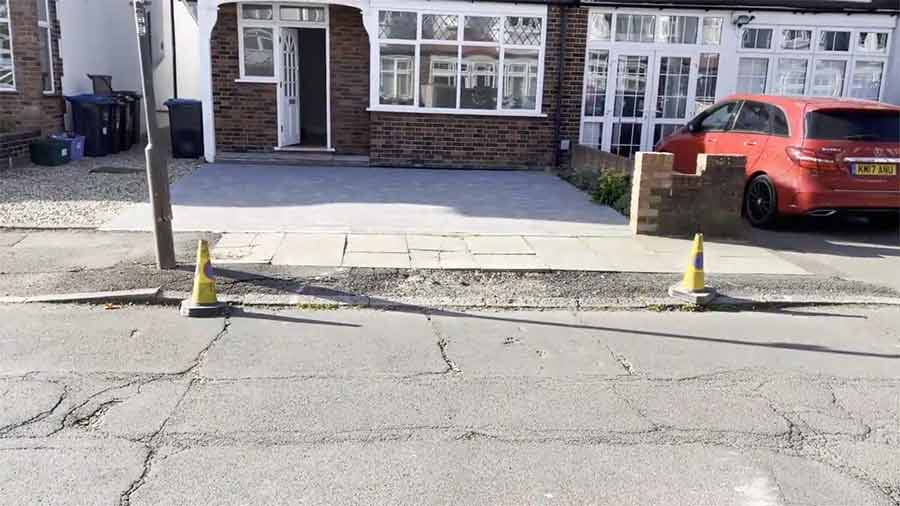
It’s advisable to inquire about any charges associated with moving a lamp post before submitting your application. Additionally, you’ll need to take into account the width and size of the dropped kerb, along with any extra costs such as tree root depth assessments or utility relocations. It may be possible to protect the lamp post by having a wall behind or a post in front so it is less likely to be damaged by vehicles, but the local authority will make that decision on application. It is also possible to ask them to move the lamp post, which of course will incur a cost.
If you’re unsure about the regulations and procedures for installing a dropped kerb, our team at Leeds Dropped Kerb is here to assist you.
With our expertise and knowledge of the process, we can guide you through the necessary steps to ensure a successful outcome.
Stay tuned for the upcoming sections of this article, where we’ll delve deeper into what you need to know before installing a dropped kerb and the permission requirements and costs associated with the project.
What You Need to Know Before Installing a Dropped Kerb
Installing a dropped kerb can greatly enhance the accessibility and convenience of your property. However, before embarking on this project, there are a few important factors to consider. Firstly, it is crucial to ensure that you have the necessary permission to carry out the installation. This is particularly important for properties with shared driveways or parking areas, as written permission may be required for leaseholders or renters. Property owners should also check their deeds for any restrictions on parking vehicles, as this could affect the viability of installing a dropped kerb.
Another consideration is the direction of gates if you have them. It is important to plan the position of your dropped kerb in relation to the gates to ensure smooth vehicle access. Additionally, proper drainage is crucial for different driveway surfaces. Depending on the slope and material of your driveway, it may require a specific drainage system to prevent water pooling and potential damage.
The dimensions of the dropped kerb and parking area should also be taken into account. These dimensions are prescribed by local guidelines and may vary depending on the local council. It is important to adhere to these guidelines to ensure compliance and prevent any issues in the future. By considering these factors before installing a dropped kerb, you can ensure a smooth and hassle-free process, enhancing the functionality and value of your property.
Table: Guidelines for Dropped Kerb Dimensions
| Aspect | Guidelines |
|---|---|
| Width of Dropped Kerb | Minimum 2.4 meters |
| Distance from Junction | Minimum 10 meters |
| Distance from Lamp Post | Minimum 1 meter |
| Distance from Tree | Minimum 2 meters |
Table: Guidelines for Dropped Kerb Dimensions
Applying for Permission and Costs Associated with Dropped Kerbs

When considering the installation of a dropped kerb or access point, it is essential to follow the correct procedures and obtain the necessary permissions. The first step is to apply for planning permission from the relevant authorities.
This typically involves submitting documentation such as photographs of the property and a sketch of the proposed installation.
It is important to remember that the application process may also incur fees, so it’s a good idea to check with your local council for the exact costs.
Once the planning permission is granted, it’s time to take into account any potential inspection charges. These charges may vary depending on the scope of the project and the requirements set by the authorities. Additional charges may also arise if alterations to the road, pavement, or third-party properties are needed.
After obtaining the necessary permissions, it’s advisable to hire a reputable contractor to carry out the installation. Contractor costs will depend on factors such as the complexity of the project, the materials used, and the contractor’s experience. It’s always a good idea to obtain multiple quotes and compare them to ensure you are getting the best value for your money.
If you are based in Leeds and looking for professional assistance with your dropped kerb installation, consider reaching out to Leeds Dropped Kerb. Their team of experts can guide you through the application process, provide advice on costs, and ensure a smooth and hassle-free installation.
Call us to get a price quote on a drop-kerb. Contact us today on 07926 387617 to receive a free quote or visit our website.
Source Links
- https://www.kent.gov.uk/roads-and-travel/
highway-permits-and-licences/apply-for-a-dropped-kerb - https://forums.moneysavingexpert.com/
discussion/3630655/cost-of-resiting-
a-lamp-post-when-dropping-kerb - https://www.bcpcouncil.gov.uk/Online-bcpcouncil
-gov-uk-form-links/Dropped-kerb-guidance.aspx

One may argue that hiring a professional dropped kerb contractor is an unnecessary expense, as it seems feasible to undertake Read more

Are you tired of struggling to find parking space in front of your home? Do you dream of having your Read more

Are you tired of feeling boxed in by the rules? Well, when it comes to using your driveway without a Read more